Table of Content
If a child cannot sleep or relax, parents and caregivers can try reading them a story or playing them some gentle music. People should wear few layers and add more if they start to feel cold. People should rest as much as possible to help the body recover. But, if you have a fever that won’t quit, it’s a good idea to at least check in with your doctor. Place the digital or glass thermometer under your tongue in one of the “pockets” located on either side of your mouth rather than right up front. These pockets are closer to blood vessels that reflect the body’s core temperature.
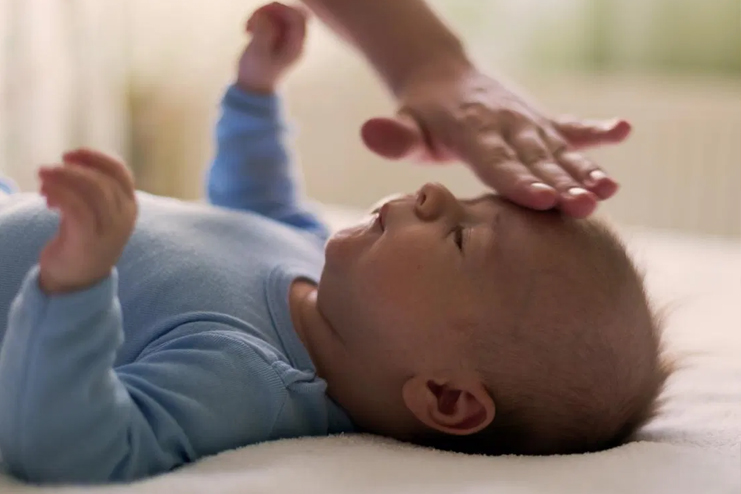
It is your body’s natural response to internal and external changes. In most cases, fever works like a defense mechanism against fighting infections. During this time, an area called “Hypothalamus” in your brain signals a threat and increases the body temperature. Place a damp washcloth on your baby’s forehead while she’s asleep. This is one of the best home remedies for high fever in babies.
#8 Use a Salve Under Your Nose
Ibuprofen use has also been questioned to treat chickenpox. A complete blood count is useful for diagnosing bacterial blood infections in very young children. The CBC may suggest whether an infection is bacterial or viral and can be useful in determining whether the child's immune system is working properly. Fever remains the most common concern prompting parents to present their child to the emergency department. Fever has traditionally been defined as a rectal temperature over 100.4 F or 38 C.

After long months of scorching heat, finally monsoon is here and it is time to enjoy and splash some water. Therefore, it is best to stick to age old grandmother’s home remedies that actually help in curing the diseases without taking a heavy toll on the body. If the body temperature is recorded higher than this average range, the condition is treated as fever. Most fevers subside in 2 to 3 days with an antipyretic drug, like Paracetamol, along with fever relief home remedies. Fever itself is not life-threatening unless it is extremely and persistently high, such as greater than 107 F (41.6 C) when measured rectally.
Lemon and Honey
We have compiled a list of natural solutions using different ingredients to treat fever at home. Choose any remedy as per your preference and try it regularly until the fever reduces. Medical News Today has strict sourcing guidelines and draws only from peer-reviewed studies, academic research institutions, and medical journals and associations.
There’s medication that can help if it’s taken within a day or two of symptoms starting. Sometimes, treatment of bacterial infections fails at home, and a child will need to be hospitalized. The first goal is to make the child comfortable by reducing the fever below 102 F (38.9 C) with medications and appropriately dressing the child. A warm water bath can also be helpful but should be used for no more than 10 minutes each hour.To check a child's temperature, one will need a thermometer. Saffron is a fantastic tonic for a cough and cold due to its essential nutrients.
Video: 8 Best Home Remedies for Fever in Babies
Moreover, its juice may ward off infection and reduce inflammation. According to Ayurveda, a mixture of ginger and honey reduces Kapha. Ginger tea is one of the simplest home remedies for cold and flu symptoms. It also helps in providing instant energy especially to children suffering from viral fever. Go to an emergency room if you exhibit signs of a caffeine overdose. Caffeine can be dangerous if you have a high fever and your body is dehydrated, so you should avoid consuming any at all.
Native Americans have used the herb and root of the echinacea plant to treat infections for more than 400 years. Its active ingredients include flavonoids, chemicals that have many therapeutic effects on the body. For example, flavonoids can boost your immune system and reduce inflammation. Garlic supplement to your diet might reduce the severity of cold symptoms. According to some research, it might even help you avoid getting sick in the first place.
Onion Treatment
Side effects of zinc may include nausea and an unpleasant taste in the mouth. Verywell Health articles are reviewed by board-certified physicians and healthcare professionals. These medical reviewers confirm the content is thorough and accurate, reflecting the latest evidence-based research. Content is reviewed before publication and upon substantial updates.

As with adults, medication is not usually necessary for a child with fever. However, taking OTC medications can help reduce a fever and make a child feel more comfortable. However, it is important to ensure that children rest until the fever or illness has passed. Don’t worry about "feeding a cold and starving a fever." Just make sure your child eats when they are hungry.
Once the fever passes and they feel more like themselves again, it’s time to go back to school. And that’s a good reason to keep your child home when they are not feeling well. You’ll help prevent spreading the germs to other people.

Elderflower induces sweat which helps to reduce the body temperature. It also helps to cure cold, flu, cough, etc. by reducing over production of mucus. Cream of tartar alkalizes your body making it inhospitable environment for bacteria to thrive.
Grate a piece of ginger and later boil it with water, a few pepper pods, one cardamom pod, one clove, and several tulsi leaves. Then, strain this mixture and give some sips to your child at regular intervals. Get one teaspoon of dry roasted carom seeds and one teaspoon of jaggery. For children age two years or older, you can give them one to two glasses of orange juice every day.
Almost all parts of the plant contain vitamins, minerals, antioxidants, and antibacterial agents. A 2014 study found that moringa bark reduced fevers in rabbits. Keep in mind that these supplements have been shown to improve fever in animals. Their safety in children is often unclear or unknown, too. When you contract a viral condition, such as a cold or flu, your immune system responds by going into overdrive. Part of this response often involves raising your body’s temperature to make it less hospitable to the virus and other germs.


No comments:
Post a Comment